Though water leak in basement may start with a small leak, it continues to grow day by day. You might notice a damp spot on the wall, water near the foundation, moisture around a basement window, or a puddle that appears after heavy rain.
Even a small recurring leak can contribute to damaged flooring, musty odors, mold and mildew, wood deterioration, ruined belongings, and reduced usable basement space. Most basement water problems become easier to solve once you identify where the water is entering and why it is reaching the foundation.
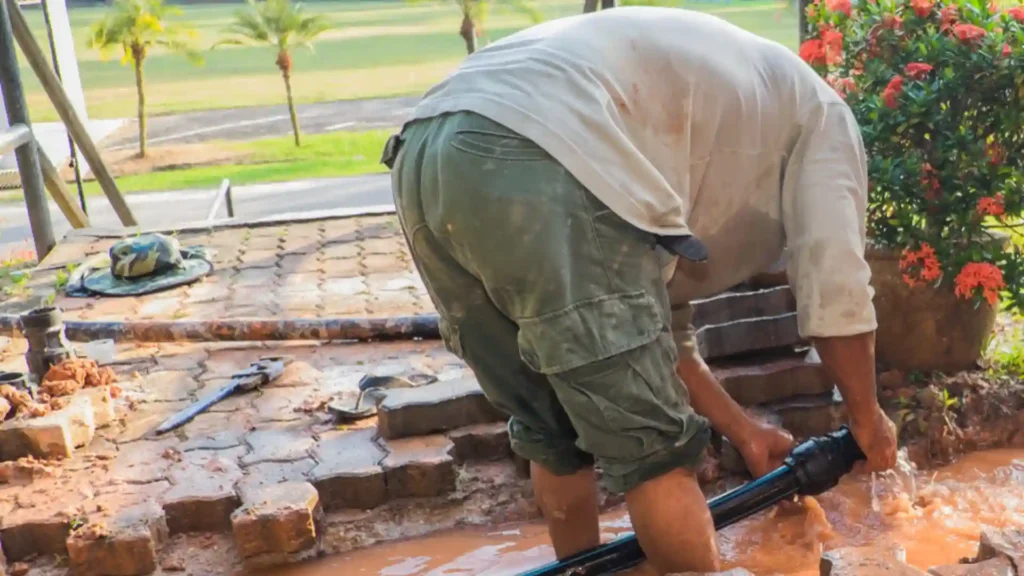
To solve the water leak, H2O Drainage Systems helps homeowners in Traverse City and throughout Northern Michigan. We determine practical ways to manage them. Depending on the source, the right solution may involve better exterior drainage, basement waterproofing, an interior drainage system, a sump pump, gutter extensions, or another targeted water-management solution.
Quick Answer: Why Is Water Leaking Into My Basement?
Water can enter a basement for several reasons. Common causes include:
- Poor drainage around the foundation
- Heavy rain or snowmelt
- Saturated soil around the home
- Groundwater and hydrostatic pressure
- Foundation wall or floor cracks
- Water entering at the wall-floor joint
- Clogged gutters
- Short or poorly positioned downspouts
- Improper yard grading
- Flooded window wells
- Failed or overwhelmed sump pumps
- Plumbing or appliance leaks
- Condensation that looks like a leak
The best basement water leak repair depends on the actual source of the problem.
For example, sealing one visible crack may help with an isolated leak. However, it may not solve recurring water intrusion if saturated soil, poor grading, groundwater pressure, or inadequate drainage continues to push water toward the foundation.
What Should You Do First If You Find Water in Your Basement?
Before deciding how to repair a basement leak, determine whether the water is still entering and where it may be coming from.
1. Protect People and Property
If standing water is near electrical outlets, appliances, wiring, a furnace, or other electrical equipment, avoid entering the affected area until you know it is safe.
Do not enter standing water when electrical equipment may still be energized. Contact the appropriate utility or a qualified electrician if you are unsure.
When it is safe, move furniture, boxes, electronics, rugs, and other belongings away from the wet area.
2. Look for the Source
Pay attention to both the location and timing of the leak.
Ask yourself:
- Did the water appear during or after heavy rain?
- Is water coming through a basement wall?
- Is it appearing where the wall meets the floor?
- Is there a visible foundation crack?
- Is the wet area directly below a basement window?
- Is the water close to a pipe, water heater, washer, or appliance?
- Is the sump pump running?
- Is the basement wet or simply humid and damp?
These details can provide valuable clues.
3. Document What You See
Take photos of:
- Wet areas
- Standing water
- Water stains
- Foundation cracks
- Window wells
- The floor-wall joint
- Gutters and downspouts
- Areas where water pools outside
If the problem happens more than once, photos can help reveal patterns.
4. Do Not Rely on a Dehumidifier Alone
A dehumidifier can help control indoor humidity.
However, it cannot stop groundwater or rainwater from entering through the foundation.
If water continues to enter the basement, you need to identify and address the source.
Common Causes of a Basement Water Leak
Poor Drainage Around the Foundation
One of the most common contributors to basement water problems is water collecting near the foundation.
When rainwater does not drain away properly, the soil beside the house can become saturated.
This may happen because of:
- Clogged gutters
- Missing downspout extensions
- Downspouts draining too close to the house
- Soil that slopes toward the foundation
- Settled soil
- Low areas beside the home
- Inadequate exterior drainage
As water builds up around the foundation, it can enter through cracks, joints, penetrations, or other vulnerable areas.
Improving exterior water management can sometimes significantly reduce the amount of water reaching the basement.
Learn more about our exterior drainage systems.
Groundwater and Hydrostatic Pressure
During extended rain, snowmelt, or periods of high groundwater, the soil around and beneath a foundation can become saturated.
As water accumulates, pressure can develop against basement walls and beneath the slab.
Water may then enter through:
- Hairline cracks
- Foundation joints
- Wall-floor joints
- Pipe penetrations
- Gaps in the foundation
- Porous or deteriorated concrete
In this situation, simply covering the visible entry point may not provide a lasting solution.
The repair should focus on how the water is reaching the foundation and how it can be collected, redirected, or reduced.
Water Leaking Where the Basement Wall Meets the Floor
Water commonly appears around the perimeter of a basement where the foundation wall meets the floor.
This area is often called the cove joint or wall-floor joint.
Because the wall and floor are separate components, this joint can become an entry point when groundwater builds up around or beneath the foundation.
Common signs include:
- Dampness around the basement perimeter
- Water along the bottom of foundation walls
- Puddles after rain
- Moisture without an obvious wall crack
- Repeated seepage from the same perimeter area
When water repeatedly enters at the wall-floor joint, an interior drainage system may be more effective than repeatedly trying to seal the visible joint.
Foundation Cracks
Basement walls and floors may develop cracks over time.
Some cracks are related to normal concrete shrinkage or settlement. Others may result from soil movement, water pressure, or structural conditions.
A crack that allows water into the basement should be evaluated based on both the crack itself and the conditions surrounding it.
Pay particular attention to:
- Horizontal cracks
- Cracks that are growing
- Repeated leaking from the same crack
- Bowing or leaning walls
- Visible wall movement
- Large or changing cracks
A small, stable, isolated crack may require a different repair from a crack associated with structural movement or ongoing drainage problems.
If you see a bowing wall, significant movement, or a growing horizontal crack, seek an appropriate structural evaluation rather than treating it as a simple DIY waterproofing problem.
Clogged Gutters and Short Downspouts
Your roof can collect a large amount of water during a storm.
If gutters overflow or downspouts release that water beside the foundation, the surrounding soil can quickly become saturated.
Warning signs include:
- Overflowing gutters
- Water pooling beside the house
- Soil erosion under downspouts
- Basement leaks after heavy rain
- Wet areas near downspout discharge points
Extending downspouts farther from the foundation can be a simple but important part of basement water management.
H2O Drainage Systems also provides gutter-extension solutions designed to move concentrated roof runoff away from vulnerable foundation areas.
Improper Yard Grading
The ground surrounding a home should help direct surface water away from the foundation.
However, soil can settle over time and create low areas beside the house.
After heavy rain, inspect the outside perimeter of your home.
If water flows toward the foundation or remains pooled beside it, grading or exterior drainage may be contributing to the basement leak.
Window Well Leaks
Basement windows are often below grade, which makes window wells vulnerable to water accumulation.
A window well may leak when:
- The well fills with rainwater
- The drain becomes clogged
- Leaves or debris block drainage
- Water pools beside the foundation
- The window seal deteriorates
- The well lacks effective drainage
If water appears directly beneath a basement window after rain, inspect both the window and the surrounding exterior drainage.
Plumbing and Appliance Leaks
Not all basement water comes from outside.
Possible interior sources include:
- Water supply lines
- Drain lines
- Water heaters
- Washing machines
- Utility sinks
- Appliances
- Condensation
If water appears regardless of the weather or stays concentrated around a pipe or appliance, investigate a possible plumbing source before assuming the foundation is leaking.
A plumbing leak, condensation problem, and groundwater problem require very different solutions.
How to Tell Where Your Basement Is Leaking
The easiest way to narrow down the problem is to focus on when and where the water appears.
Basement Leaks After Heavy Rain
If your basement primarily leaks during or after rain, inspect:
- Gutters
- Downspouts
- Yard grading
- Window wells
- Exterior drainage
- Foundation cracks
- The basement perimeter
Rain-related leaks often point toward exterior water-management or groundwater conditions.
Water Coming Through a Basement Wall
Water entering through a wall may be related to:
- Foundation cracks
- Gaps around pipes
- Porous concrete
- Soil saturation
- Exterior drainage problems
- Water pressure against the wall
The visible leak is important, but the conditions outside the wall should also be considered.
Water Coming Up Through the Basement Floor
Water appearing through the floor, around floor cracks, or near the wall-floor joint may indicate groundwater conditions beneath or around the slab.
This type of problem may require a drainage and sump system designed to collect and manage the water rather than simply sealing the visible area.
Water Appearing Near a Pipe or Appliance
If water is concentrated around plumbing, check for:
- Pipe leaks
- Drain leaks
- Water-heater leaks
- Appliance leaks
- Condensation
- Drain backups
If the source is plumbing-related, basement waterproofing will not correct the underlying problem.
Basement Water Leak Repair: What Actually Works?
There is no single repair that works for every leaking basement.
The right approach should match the source, severity, location, and frequency of the water.
Basement Waterproofing
Basement waterproofing solutions can help manage repeated basement moisture and water intrusion.
The system used should depend on where the water enters and the conditions affecting the foundation.
Interior Drainage Systems
An interior drainage system is designed to collect water at vulnerable areas around the basement perimeter and route it toward a controlled drainage point.
This approach may be appropriate when water repeatedly enters through:
- The wall-floor joint
- Basement perimeter areas
- Areas affected by groundwater conditions
Collected water can then be directed to a sump system for removal from the home.
Learn more about our interior drainage systems.
Sump Pump Installation
A sump pump removes collected water and discharges it away from the home.
However, the pump is only one part of a complete water-management system.
The system also needs an appropriate way to collect incoming water and a discharge location that carries it far enough away from the foundation.
Learn more about sump pump installation.
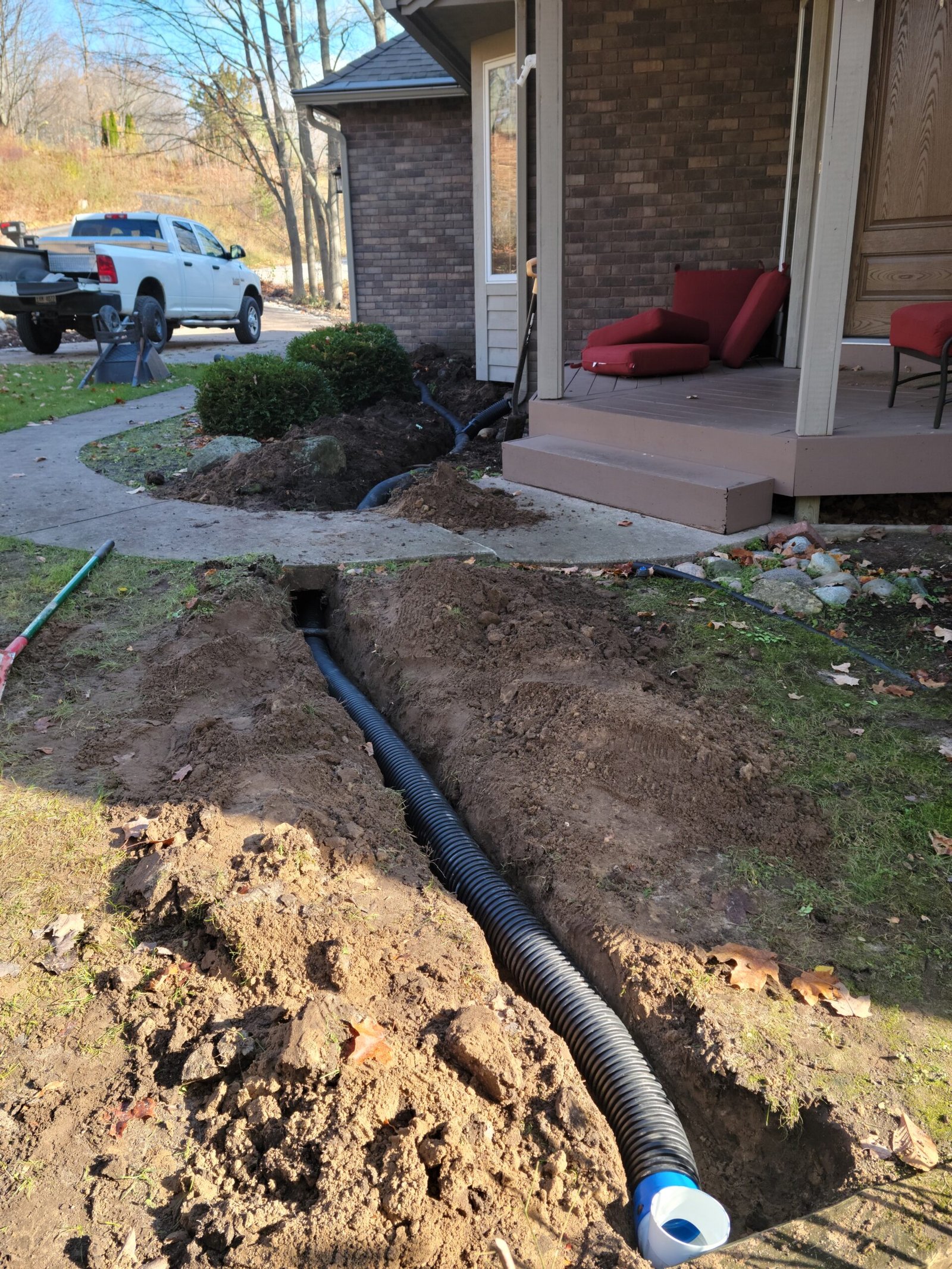
Exterior Drainage
Exterior drainage focuses on reducing the amount of water collecting around or reaching the foundation.
Depending on the property, a system may help manage:
- Surface runoff
- Roof runoff
- Water collecting near the house
- Saturated soil
- Groundwater conditions
Exterior drainage can reduce the water load against the foundation and may help prevent some basement water problems before the water reaches the interior.
Gutter Extensions
Sometimes basement leak prevention starts at the roof.
Downspout and gutter extensions help direct concentrated roof runoff farther from the foundation.
They can be especially useful when water is currently being discharged directly beside the home.
Foundation Crack Repair
If an isolated crack is the direct entry point, repairing the crack may be appropriate.
However, the drainage conditions around the foundation should also be evaluated.
If groundwater or poor drainage continues to push water toward the wall, repairing one crack may not prevent water from finding another entry point.
Can You Fix a Basement Leak Yourself?
Some basic maintenance can be handled by homeowners.
Examples include:
- Cleaning gutters
- Removing debris from window wells
- Checking downspouts
- Extending downspout discharge
- Correcting minor surface drainage issues
- Monitoring cracks
- Testing a sump pump
Small, isolated, non-structural cracks may sometimes be repairable with products designed for concrete crack sealing.
However, DIY waterproofing has limitations.
Applying waterproof paint, sealant, or hydraulic cement over a wet area may temporarily cover the symptom without correcting the reason water is reaching the foundation.
Professional evaluation becomes more important when:
- Water returns repeatedly
- The basement floods after storms
- Standing water develops
- Several areas are leaking
- Water enters at the perimeter
- A sump pump cannot keep up
- Mold or persistent moisture develops
- Foundation movement is visible
- Previous repairs have failed
Why You Should Not Ignore a Leaky Basement
A small basement leak may not look urgent at first.
However, persistent moisture can contribute to:
- Mold and mildew
- Musty odors
- Damaged drywall
- Damaged flooring
- Wood deterioration
- Ruined furniture or stored belongings
- Reduced usable living or storage space
- Ongoing moisture exposure around the foundation
Addressing the source early can help prevent repeated damage.
How to Help Prevent Future Basement Leaks
Preventing basement water problems often requires managing water both outside and inside the home.
Keep Gutters Clear
Remove leaves and debris so rainwater can move freely through the gutter system.
Watch for overflow during heavy rain.
Direct Downspout Water Away From the House
Do not allow concentrated roof runoff to discharge directly beside the foundation.
Use properly positioned extensions where needed.
Check the Yard Slope
Look for low areas and sections where water flows toward the house.
Standing water beside the foundation is a warning sign that surface drainage may need attention.
Inspect Window Wells
Keep window wells clear of leaves and debris.
Make sure water can drain rather than collect against the basement window.
Maintain the Sump Pump
Test the pump periodically.
Also check that the discharge line is clear and releases water far enough away that it does not immediately return toward the foundation.
Watch for New Warning Signs
Pay attention to:
- New cracks
- Damp spots
- Water stains
- Musty odors
- Efflorescence
- Standing water
- Puddles after rain
- Changes in sump-pump operation
Early warning signs can help you identify a problem before a major water event occurs.
Basement Water Problems in Traverse City and Northern Michigan
Northern Michigan homes can experience basement water problems related to heavy rainfall, spring snowmelt, saturated soil, changing groundwater conditions, freeze-thaw cycles, and poor drainage around the foundation.
The right solution depends on how water behaves around your specific property.
For example, a basement that becomes wet only after spring snowmelt may require a different approach from a home with a leaking window well or an isolated plumbing leak.
H2O Drainage Systems is based in Interlochen and serves homeowners throughout Traverse City and surrounding Northern Michigan communities.
Our services include:
- Basement waterproofing
- Interior drainage systems
- Exterior drainage
- Sump pump installation
- Gutter extensions
- Crawl space drainage
- Water-management solutions
You can also explore our service areas to learn more about where we work.
What Does Water Leak In Basement Repair Cost?
The cost of repairing a basement water leak depends on the cause and the type of solution required.
Factors that can affect the cost include:
- The source of the water
- The size of the affected area
- Foundation condition
- Accessibility
- Whether drainage work is required
- Whether a sump system is needed
- The amount of excavation involved
- The type of crack or entry point
- Existing drainage conditions
A small isolated repair will generally require less work than installing a complete interior or exterior drainage system.
Because basement water problems vary significantly from one property to another, an on-site inspection is usually the best way to determine the appropriate repair and provide an accurate estimate.
Get Help With a Leaking Basement
A water leak in basement is not always solved by sealing the first crack you see.
A better repair starts with understanding:
- Where the water is entering
- Why it is reaching the foundation
- If the problem occurs during rain or snowmelt
- How water is moving around the property
- Which system can manage the problem over the long term
If you have water in your basement, recurring seepage, a wet basement wall, water around the floor perimeter, or drainage problems around your home, H2O Drainage Systems can help identify the source.
Why Homeowners Choose H2O Drainage Systems
A successful basement repair starts with diagnosing the source rather than assuming every wet basement needs the same system.
We evaluate the basement, foundation, drainage conditions, water-entry patterns, grading, and other contributing factors before recommending a solution.
Our goal is to identify how the water is reaching the home and recommend a practical system that addresses the specific problem.
We are a locally owned drainage and basement-waterproofing company based in Interlochen and serving Traverse City and surrounding Northern Michigan communities.
Learn more about H2O Drainage Systems and the waterproofing materials we use.
Frequently Asked Questions
How do I stop my basement from leaking?
Start by identifying where and when the water enters. Check gutters, downspouts, grading, window wells, foundation cracks, plumbing, and the basement perimeter. Repeated groundwater-related leaks may require a drainage or sump system rather than a surface patch.
Why does my basement leak only when it rains?
Rain-related basement leaks often occur because water is collecting near the foundation. Common contributors include poor grading, clogged gutters, short downspouts, flooded window wells, foundation cracks, saturated soil, and inadequate drainage.
What is the most common cause of water in a basement?
Poor drainage around the foundation is a common contributor. However, groundwater pressure, cracks, sump-pump problems, window wells, plumbing leaks, and condensation can also cause basement water.
Why is water coming through my basement floor?
Water appearing through the basement floor or near the wall-floor joint may be related to groundwater beneath the slab. A drainage and sump system may be needed to collect and manage the water.
Can I just seal a basement crack?
Sometimes an isolated, stable crack can be repaired successfully. However, if poor drainage or groundwater pressure continues to push water toward the foundation, the larger water-management problem should also be addressed.
Can a dehumidifier stop a basement leak?
No. A dehumidifier can reduce indoor humidity, but it cannot stop groundwater or rainwater from entering through a foundation, window, crack, or joint.
How can I tell whether basement water is from plumbing or groundwater?
Consider timing and location. Water that appears during or after rain may involve drainage or groundwater. Water that develops near pipes or appliances regardless of weather may be caused by an interior plumbing source.
Does every wet basement need a sump pump?
No. A sump pump is useful when a system needs to collect and remove groundwater or drainage water. Plumbing leaks, condensation, window leaks, and some isolated cracks may require different solutions.
Should I worry about a horizontal foundation crack?
A horizontal crack deserves careful attention, particularly if the wall is bowing, leaning, or moving. Those conditions may require structural evaluation rather than only waterproofing or crack sealing.
How much does basement leak repair cost?
Costs vary according to the source of the leak and the repair required. Small isolated repairs generally cost less than full drainage or sump systems. An on-site inspection is the best way to determine the appropriate solution and estimate.