If you’ve ever gone downstairs after a heavy rain and caught that damp, musty smell before you even hit the bottom step, you already know the feeling. A wet basement isn’t just annoying. Left alone, it turns into mould, cracked concrete, ruined storage, and a much bigger repair bill than the one you’re trying to avoid right now.
The good news is that basement waterproofing isn’t a mystery. There are a handful of proven methods, and each one solves a different piece of the puzzle. Some manage water once it’s already inside your basement. Others stop it from ever reaching your foundation walls in the first place. The trick is matching the right method to the actual source of your water problem, not just picking whatever a contractor mentions first.
In this guide, we’ll walk through the best basement waterproofing methods used in 2026, how each one works, what it costs, and how to tell which one your home actually needs. We’ll also cover something most national guides skip entirely: how soil type changes the whole equation. Here in Traverse City and Northern Michigan, our sandy, fast-draining soil behaves very differently to the heavy clay soil most waterproofing articles are written for, and that changes which methods work best.
What Is Basement Waterproofing, and Why Does It Matter?
Basement waterproofing is the process of keeping water out of your basement, whether it’s coming from rainfall, groundwater, or humidity building up inside the space. It usually involves some combination of drainage systems, sump pumps, sealants, and exterior barriers, all working together to control where water goes before it becomes your problem.
Here’s why it’s worth taking seriously. Water in a basement rarely stays a small problem. Moisture soaks into concrete and framing, and over time it can:
- Weaken foundation walls and cause cracking
- Feed mould and mildew growth, which affects indoor air quality throughout the whole house
- Rot wood framing, subfloors, and stored belongings
- Lower your home’s resale value, since documented water issues make buyers nervous and give them leverage to negotiate
- Turn a manageable fix into a structural repair that costs five to ten times more
The EPA lists moisture control as one of the single most effective ways to prevent mould in a home. That’s a simple way to think about waterproofing: it’s not really about the water itself. It’s about everything the water causes once it gets in.
Interior vs Exterior Waterproofing: The Core Decision
Almost every basement waterproofing method falls into one of two camps, and understanding the difference is the first real decision you’ll make.
Interior waterproofing manages water after it reaches your foundation. It doesn’t stop water from touching the walls outside; instead, it captures water as it seeps in and redirects it to a sump pump, which pumps it safely away from the house. Interior systems are less invasive, faster to install, and usually cost less, because there’s no excavation involved.
Exterior waterproofing stops water before it ever reaches the foundation. This usually means excavating around the outside of the home, applying a waterproof membrane or coating to the walls, and often adding an exterior drain to carry water away. It’s more effective at the source, but it’s also more expensive and more disruptive, since it involves digging up landscaping, walkways, or decks near the foundation.
Neither one is automatically “better.” For homes with occasional seepage or condensation issues, interior waterproofing solutions often do the job on their own. For homes with chronic groundwater problems, poor grading, or a history of flooding, exterior work addresses the root cause. Many homes end up needing a combination of both — and honestly, that’s the answer most experienced contractors will give you if you ask them directly.
The Best Basement Waterproofing Methods, Explained
Here are the methods that show up again and again in professional waterproofing plans, along with what each one is actually good for.
1. Interior Drainage Systems (French Drains)
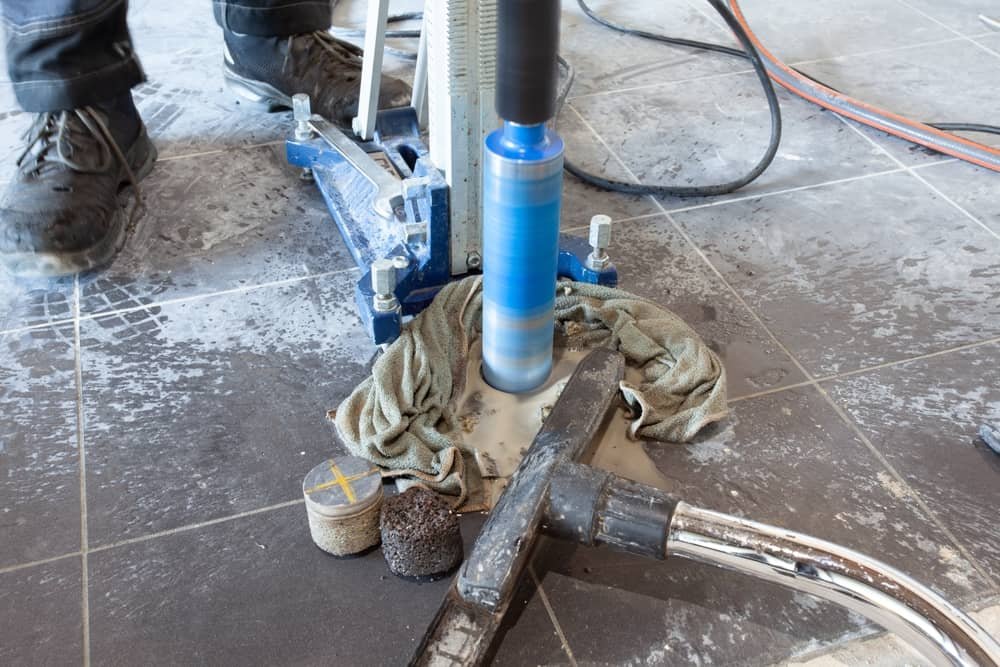
An interior drainage system, often called a French drain, is one of the most reliable basement waterproofing methods for homes that already have water getting in. A contractor cuts a channel along the interior perimeter of the basement floor, installs a perforated pipe surrounded by gravel, and connects it to a sump pump. Water that seeps through walls or the floor-wall joint gets captured before it can spread across the floor, then it’s pumped out and away from the home.
This method doesn’t stop water from reaching the foundation, but it relieves the pressure building against your walls and floor, which is often the actual cause of ongoing leaks. It’s less disruptive than exterior excavation and typically finishes in a day or two. We install these systems regularly you can see how our interior drainage systems are put together.
2. Sump Pump Installation
A sump pump is the engine behind most interior waterproofing systems. Water collects in a basin, called a sump pit, and the pump automatically switches on to remove it once the water reaches a certain level. Without a working sump pump, an interior drainage system has nowhere to send the water it collects.
A few things separate a good installation from a bad one: correct pit depth, a check valve to stop water flowing back in, and a discharge line routed well away from the foundation so it doesn’t just re-soak the soil right next to your house. In colder climates, a battery backup is worth considering too, since power outages during storms are exactly when you need the pump running most. We cover sizing and backup options on our sump pump installation page.
3. Interior Sealants and Waterproof Coatings
Interior sealants are a paint-on or roll-on coating applied to basement walls and floors to block minor moisture seepage. They’re the cheapest waterproofing method by a wide margin, and they’re genuinely useful for basements with light dampness or condensation, not active water intrusion.
The catch is that sealants only mask surface moisture. They don’t address the pressure pushing water through cracks or joints, so if the underlying cause is groundwater or hydrostatic pressure, the coating will eventually fail, sometimes by bubbling or peeling away from the wall. Think of sealants as a finishing touch on top of proper drainage, not a replacement for it.
4. Crack and Injection Repair
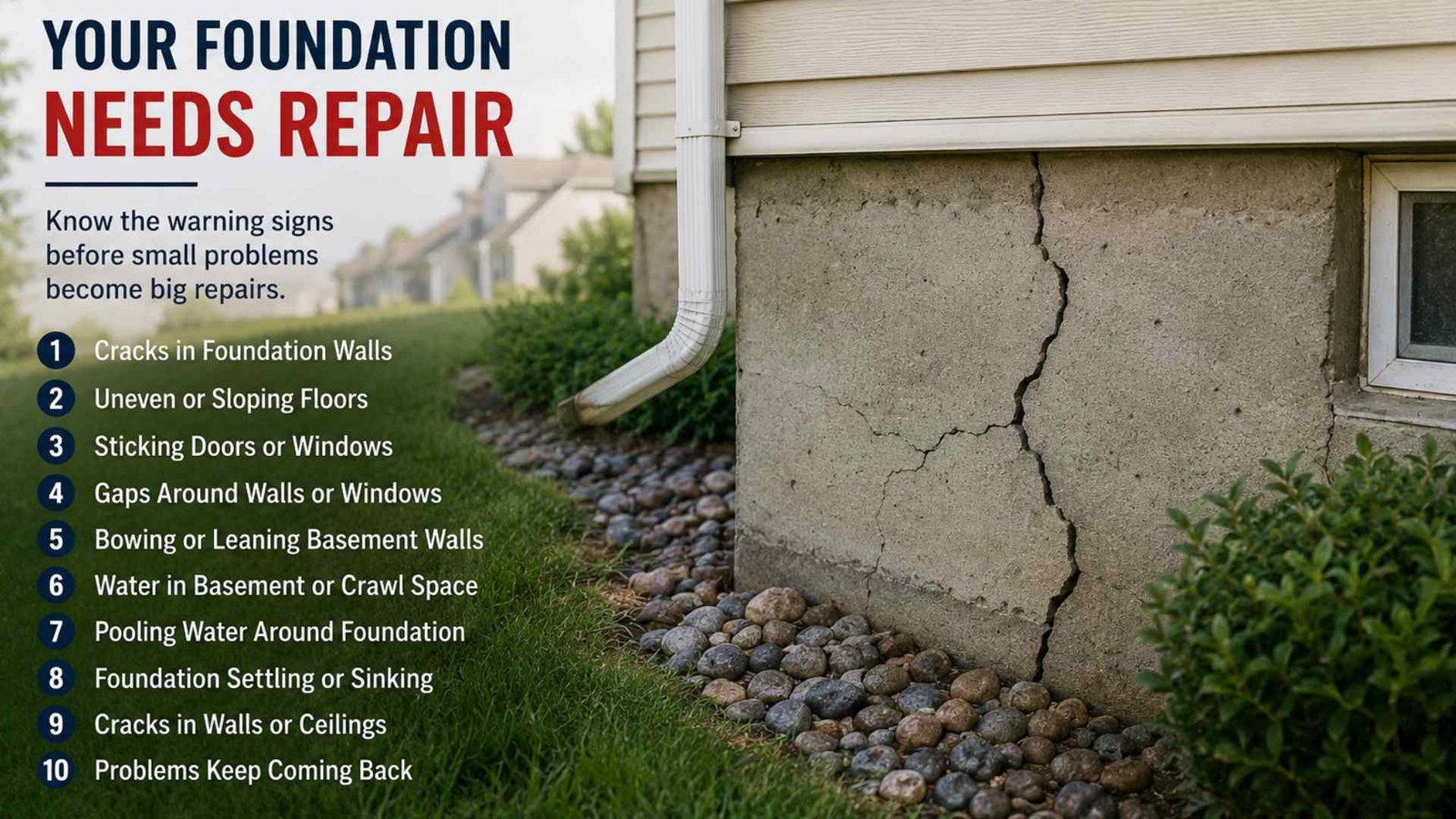
Foundation cracks are one of the most common entry points for water, and injection repair is a targeted fix rather than a whole-basement solution. A contractor injects polyurethane or epoxy directly into the crack, where it expands and hardens to form a watertight seal from the inside, without any excavation.
This method works well for isolated, non-structural cracks. It’s fast and relatively affordable. But if you’ve got multiple cracks, active bowing, or cracks that keep reappearing, that’s usually a sign of a bigger structural or drainage issue that injection alone won’t solve.
5. Exterior Excavation and Waterproof Membrane
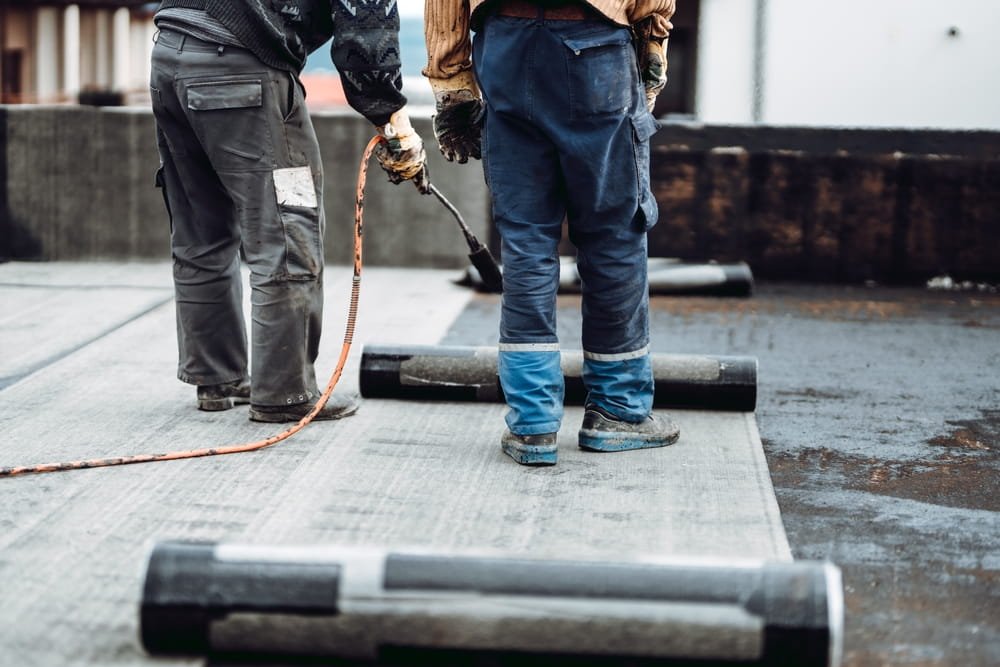
This is the most thorough of all basement waterproofing methods, and also the most involved. Crews excavate the soil around your foundation down to the footing, clean and repair the exposed walls, then apply a waterproof membrane or liquid coating directly to the concrete. A drainage board is often added over the membrane to protect it from soil pressure before everything is backfilled.
Because it stops water at the source rather than managing it afterward, this method offers some of the strongest long-term protection available. It’s also the most expensive and disruptive option, since it typically means losing landscaping, walkways, or patios near the foundation for the duration of the job. It’s most common in new construction, where the foundation is already exposed, or in cases where interior methods haven’t solved a chronic problem.
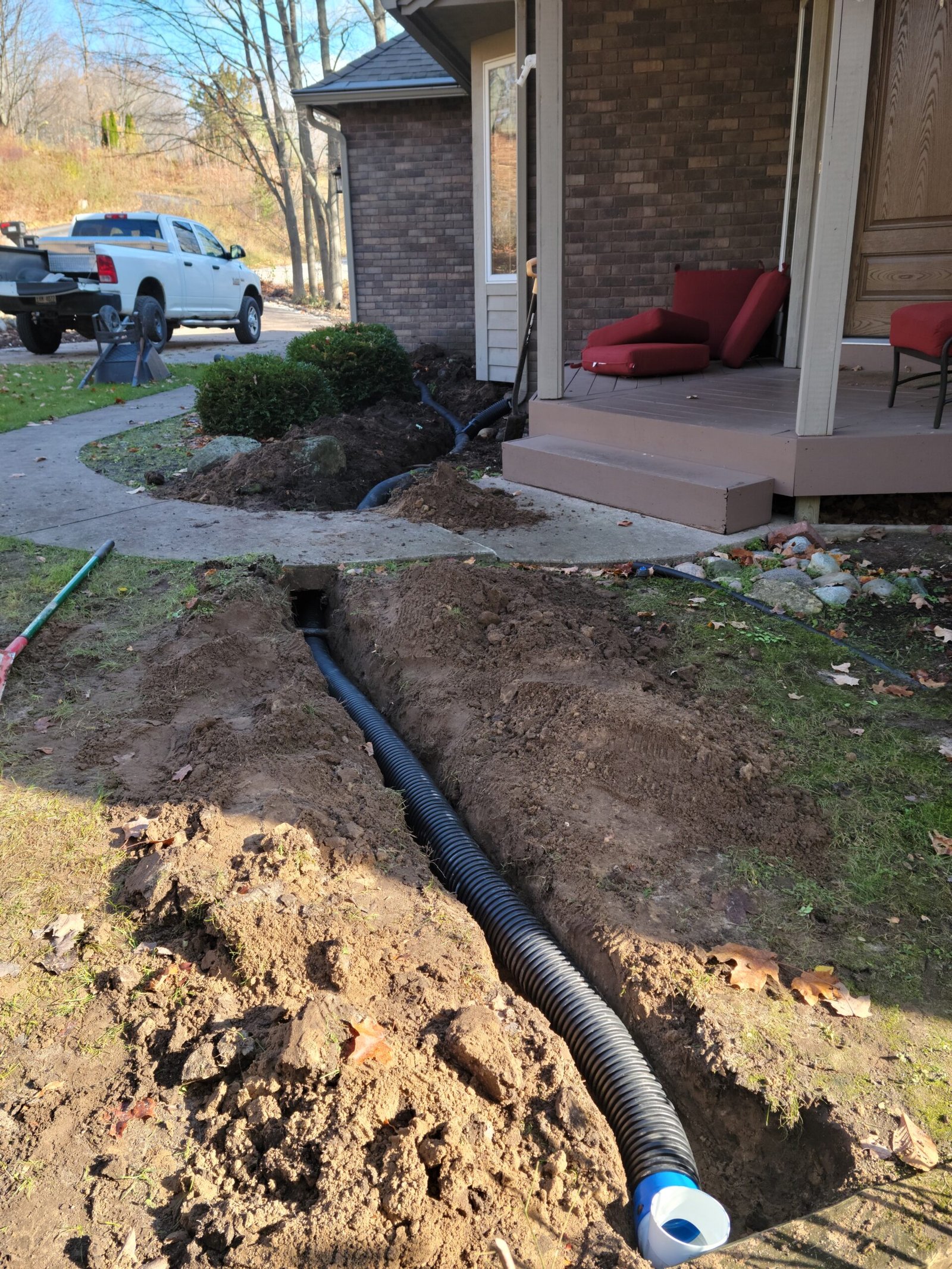
6. Exterior French Drains
An exterior French drain works on the same basic principle as an interior one, just on the outside of the house. A perforated pipe, surrounded by gravel, sits in a trench along the foundation footing and carries groundwater away before it reaches the walls at all. Combined with a waterproof membrane, this is one of the most effective ways to relieve hydrostatic pressure at its source. Our exterior drainage systems page has more detail on how we design these for different soil types.
7. Grading and Gutter Extensions
This is the cheapest and most overlooked basement waterproofing method on the list, and it’s often the first thing worth checking before spending money on anything more involved. If the ground around your home slopes toward the foundation instead of away from it, or if your downspouts are dumping water right next to the house, you’re actively feeding your own basement leak every time it rains.
Fixing the grade so water flows away from the foundation, combined with properly routed gutters and downspout extensions, solves a surprising number of “mystery” basement leaks without any interior or exterior system at all. We handle this through our gutter extension installations, which route roof runoff several feet clear of the foundation instead of straight down the wall.
8. Crawl Space Drainage and Encapsulation
If your home has a crawl space instead of a full basement, the same water problems still apply, just below floor level instead of below grade. Moisture rising from bare soil, poor drainage, or groundwater intrusion can lead to the same mould and structural risks as a wet basement, and it often travels upward into living spaces through the floor.
Crawl space drainage systems capture and redirect that water, similar to an interior drainage system, and are often paired with a vapour barrier or full encapsulation to seal the space from ground moisture altogether. Details on this are on our crawl space drainage page.
Signs Your Basement Needs Waterproofing
You don’t need standing water to have a problem. Watch for:
- Damp or wet spots on floors or walls after rain
- A musty smell that won’t go away, even with a dehumidifier running
- White, chalky mineral deposits on concrete (called efflorescence)
- Peeling paint or bubbling on basement walls
- Visible cracks in the foundation, floor, or walls
- Condensation on pipes or windows
- Mould growth in corners or behind stored items
- Water stains that get bigger or reappear after every storm
Any one of these on its own might be minor. A few together usually means it’s time to talk to a waterproofing specialist before it turns into a structural issue.
Why Sandy Soil in Northern Michigan Changes the Playbook
Most national waterproofing guides are written with heavy clay soil in mind, the kind that holds water and builds pressure slowly over weeks. That’s not what we deal with around Traverse City.
Much of Northern Lower Michigan sits on highly permeable, sandy soil. Instead of water sitting and slowly building hydrostatic pressure the way it does in clay, sandy soil lets water move downward fast. During spring thaw or a heavy lake-effect rain event, a large volume of water can reach your foundation footing in a short window, creating a sudden pressure spike rather than a gradual one.
That’s why so many Traverse City homeowners notice leaks specifically in early spring: older drainage systems simply weren’t sized for that kind of rapid seasonal surge. In this soil type, interior drainage combined with a properly sized sump pump and controlled discharge routing tends to outperform standalone sealants, because the priority is volume management, not just blocking moisture. Pairing that with good grading and gutter extensions covers the surface water side of the equation too. We go deeper into this soil-specific reasoning on our basement waterproofing FAQ page, and you can check whether we cover your area on our service areas page.
How Much Does Basement Waterproofing Cost in 2026?
Pricing depends heavily on the method, but here’s a realistic 2026 breakdown to budget against:
| Method | Typical Cost Range |
| Waterproof paint or sealant | $2–$10 per sq ft |
| Crack or epoxy injection | $250–$800 per crack |
| Sump pump installation | $600–$1,900 (plus more for battery backup) |
| Interior drainage system (French drain) | $70–$100 per linear foot |
| Exterior French drain | $30–$90 per linear foot |
| Exterior excavation and membrane | $8,000–$20,000+ |
| Grading and gutter extensions | A few hundred to a couple thousand dollars |
Most homeowners land somewhere between $2,500 and $8,500 for a full interior system, with exterior excavation work pushing well beyond that. It’s not a small spend, but it’s worth weighing against the alternative: unresolved water damage can knock 10–25% off a home’s resale value, while waterproofing typically recovers a solid chunk of its cost through added value and, more importantly, avoided repair bills down the track. A free on-site estimate is really the only way to get an accurate number for your specific basement, since soil type, foundation age, and severity all move the price.
DIY vs Professional Waterproofing: What You Can (and Can’t) Do Yourself
Some parts of this are genuinely fine to tackle yourself. Extending downspouts, regrading soil near the foundation, clearing gutters, and applying waterproof paint to a lightly damp wall are all reasonable weekend projects.
Where DIY gets risky is anything involving drainage systems, sump pumps, or structural cracks. Getting the slope, depth, or discharge routing wrong on a French drain can leave you with a system that looks right but doesn’t actually work, and you won’t find out until the next big storm. Injecting the wrong material into a structural crack can mask a bigger problem instead of fixing it. If you’re dealing with anything beyond surface dampness, it’s worth getting a professional opinion before spending money on materials that might not solve the real issue.
How to Choose the Right Method for Your Home
Work through these questions before committing to a fix:
Where is the water actually coming from?
Wall seepage, floor cracks, and window wells point to different fixes than a consistently high water table.
Is this a one-time event or a recurring problem?
A single heavy storm might just need better grading. Leaks every spring point to a drainage capacity issue.
What’s your basement used for?
A finished basement with flooring and drywall justifies a more thorough (and more expensive) fix than an unfinished storage space.
What’s your soil type?
Sandy soil favours strong drainage and pump capacity. Clay soil often needs exterior work to relieve slow-building pressure.
Are you planning to sell in the next few years?
Documented, professionally installed waterproofing with a transferable warranty removes a common objection during a home sale.
In most cases, the answer isn’t a single method. It’s a combination: a properly sized interior drainage system and sump pump to manage water that gets in, paired with grading and gutter work to reduce how much water reaches the foundation in the first place.
Ready to Stop Guessing and Get a Real Answer?
Every basement is a little different, and the “best” waterproofing method really comes down to what’s happening under your specific foundation. If you’re dealing with a damp basement, recurring spring leaks, or you just want to get ahead of a problem before it starts, the team at H2O Drainage Systems can walk your property, find the actual source, and recommend a solution built for Northern Michigan’s soil, not a generic national playbook.
Request a free estimate and we’ll give you a straight answer on what your basement actually needs.
Frequently Asked Questions
What is the most effective basement waterproofing method?
There isn’t one method that wins for every home. Interior drainage paired with a sump pump is the most commonly used and cost-effective solution for existing homes, while exterior excavation and membrane systems offer the strongest source-level protection, particularly for new construction or chronic groundwater problems.
Can I waterproof my basement myself?
You can handle grading, gutter extensions, and light sealant work yourself. Drainage systems, sump pump installation, and structural crack repair are best left to a professional, since mistakes in slope or routing aren’t obvious until water is already back in your basement.
How long does basement waterproofing last?
A properly installed interior drainage system with a quality sump pump can protect a basement for 20 years or more with basic maintenance. Sealants and coatings have a much shorter lifespan and often need reapplication within several years.
Is basement waterproofing worth the cost?
Yes, for most homes. Beyond preventing mould and structural damage, a documented dry basement with a working drainage system tends to support resale value, while unresolved water issues can significantly reduce what buyers are willing to pay.
Do I need interior and exterior waterproofing, or just one?
It depends on the source and severity of the problem. Many homes only need interior work. Homes with chronic groundwater intrusion, especially in high-permeability soil, often benefit from combining interior drainage with exterior measures like French drains and proper grading.