If you’ve ever stood in a wet basement wondering how the water got there, a sump pump is usually where the conversation starts.
A sump pump is a small machine that sits in a pit (the “sump”) and pushes water out of your home before it can pool on the floor. It’s not glamorous. But it’s one of the most effective, least expensive types of insurance a home with a basement or crawl space can have.
Here in Northern Michigan, we install and service these pumps year-round. We see them through spring snowmelt, summer downpours, and the freeze-thaw cycles that hit foundations hard every fall and spring. So we hear the same questions a lot: what does this thing actually do, and does my house need one?
H2O Drainage Systems is locally owned and based in Interlochen. We serve Traverse City and the surrounding region with interior drainage, exterior drainage, and foundation waterproofing.
What a Sump Pump Actually Does
A sump pump doesn’t stop water from showing up around your foundation. Nothing really does that completely. What it does is control where that water goes once it arrives.
Water finds the lowest point of your basement or crawl space. It usually flows through a drainage system built into the floor perimeter, then collects in a basin called a sump pit. Once the water reaches a certain level, the pump turns on. It pushes the water through a discharge pipe and sends it somewhere far enough from the house that it can’t seep back in.
That’s the basic idea. But the details of how it’s built and installed matter a lot more than most people expect.
How Does a Sump Pump Work, Step by Step?
Water reaches the pit
Groundwater, rain, or snowmelt flows through the drainage system and into the sump pit, often through a perforated pipe laid along the foundation.
The float rises with the water
A float switch, similar to the one in a toilet tank, sits in the pit and rises as the water level climbs.
The pump turns on
Once the float hits its trigger point, it closes a switch and the motor starts.
An impeller pushes the water
Inside the pump, a spinning impeller uses force to throw water outward. This creates the pressure needed to push it up and out through the discharge line.
Water leaves the property
The discharge pipe carries the water away, ideally 10 to 20 feet from your foundation. It may need to go farther depending on your yard’s slope and local code.
The float drops, and the pump shuts off
Once the water level falls, the cycle resets and waits for the next round.
A pump might cycle a few times a day during dry stretches. It might run almost nonstop during heavy spring melt. Either way, it’s built to repeat that six-step loop for years without you thinking about it, until something in the chain breaks down.
Sump vs. Pump: Two Different Jobs
People use these words interchangeably, but they’re not the same thing.
The sump is just the hole. It’s a basin that collects water. On its own, it does nothing. Left alone, it would just fill up and overflow.
The pump is the machine that empties it. Without the sump, the pump would have nothing to draw from.
Think of a bathtub and a drain: one holds water, the other gets rid of it. Neither part of a sump pump system does much good without the other.
What’s Inside a Sump Pump System
| Component | What It Does |
| Sump pit | The basin, set below floor level, where water collects before removal |
| Pump motor | Powers the impeller that physically moves the water |
| Float switch | Detects rising water and turns the motor on and off |
| Check valve | Sits in the discharge line and stops water from draining back into the pit after each cycle |
| Discharge pipe | Carries water out and away from the foundation |
Two details other companies rarely mention, but that matter a lot in practice: the outlet your pump plugs into should be a GFCI outlet, since the pump works near standing water. Most manufacturers also recommend a dedicated circuit instead of sharing one with other basement equipment. It’s a small thing until it isn’t.
Does Your House Actually Need One?
Not every home does. If your basement has stayed dry through every storm for the past twenty years, you may not need to change a thing.
But it’s worth a conversation if any of these sound familiar:
- Water shows up on the basement floor after heavy rain
- Your crawl space feels damp or smells musty most of the year
- You’ve noticed standing water near the foundation after storms
- Spring snowmelt has caused problems before
- A previous owner (or you) has dealt with basement flooding
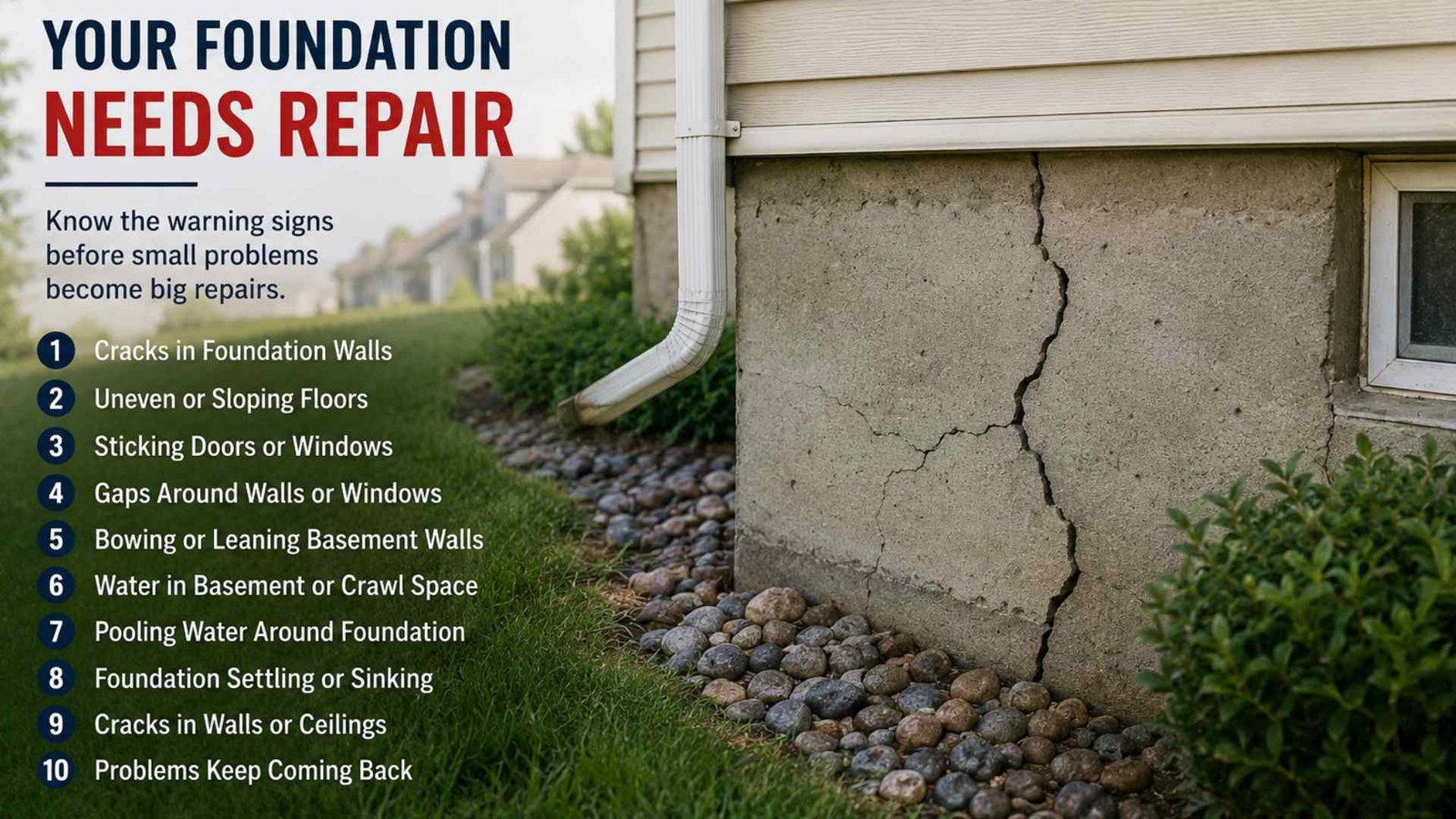
Here’s the part a lot of homeowners get wrong: a sump pump only removes water that’s already made it into the pit. If water is getting into your basement some other way, like through a crack in the foundation wall, a pump alone won’t fix that. It may need to be paired with exterior drainage or waterproofing to actually solve the problem instead of just managing it.
Submersible vs. Pedestal: Which Type Do You Need?
Almost every residential system uses one of two designs.
A submersible pump sits down inside the pit, fully underwater, sealed to keep the motor protected. These are quieter than pedestal models, handle higher water volumes better, and are the more common choice for homes dealing with real groundwater pressure. The tradeoff: when they eventually fail, you have to pull the whole unit out of the pit to service it.
A pedestal pump keeps its motor up above the pit, on a post, with only the intake down in the water. Because the motor stays dry, these tend to last longer and are easier to access for maintenance. That’s a real advantage in a smaller pit, where a submersible unit might not fit comfortably. They do run louder, and most people notice the sound if the pit is near a finished living space.
Which one’s right for you depends on your pit size, how much water you’re dealing with, and your budget. Pedestal units are typically the more affordable option upfront.
Float Switches Aren’t All the Same
This part is worth knowing, since it’s often what fails before the pump motor does. Most residential float switches fall into three types: tethered (a floating ball on a cord that triggers the pump as it rises), vertical (a float that rides up and down a rod, good for tight pits), or electronic (a sensor with no moving parts to jam). If your pump has failed to turn on in the past, the switch, not the motor, is usually the first thing worth checking.
Notice any of the warning signs below? Don’t wait for the next storm to find out the hard way.
Call 231-392-6350 or request a free estimate. We’ll diagnose the actual source of the water, not just sell you a new pump.
What a Backup Sump Pump Adds
Here’s the uncomfortable truth about sump pumps: they need electricity. And the storms that produce the most water are also the storms most likely to knock out your power. That’s exactly when a primary pump is most likely to let you down, not because it’s broken, but because it has nothing to run on.
A backup system covers that gap. The most common option is a battery-powered backup that kicks in automatically the moment the power drops. Some homes instead run a second pump for extra capacity when the primary can’t keep up. A smaller number use water-powered backups that run off household water pressure instead of electricity.
None of these are required. But if your basement is finished, or you store anything down there you’d hate to lose, a backup is one of the cheaper insurance policies a home can have.
Signs Something’s Wrong
A working sump pump is boring. You shouldn’t notice it. If you start noticing it, that’s the problem.
Watch for these signs:
- The pump won’t turn on at all
- It runs constantly without ever shutting off
- You hear grinding or rattling noises during operation
- Water sits in the pit and never seems to drain
- Water actually shows up in your basement or crawl space again
A pump running nonstop is usually dealing with more water than it’s built for, a float switch that’s stuck, or a discharge line that’s partly blocked. None of those are necessarily the motor’s fault. That’s why guessing at a fix, or buying a bigger pump, doesn’t always solve it. It’s worth having someone trace the problem back to its source.
Testing Your Pump Takes Five Minutes
Do this before spring melt and before fall storms, not after:
- Confirm the pump has power.
- Pour water into the pit slowly.
- Watch for the float to trigger the pump.
- Confirm it actually removes the water.
- Confirm it shuts back off once the pit empties.
If it skips any of those steps, you’ve found your problem before it found you.
How Long Should a Sump Pump Last?
It depends almost entirely on how hard it works. A pump running a few cycles a week in a dry basement can last well over a decade. One running near-constantly through wet seasons wears down faster, sometimes needing replacement in half that time. The quality of the original install and pump matters too. A pump sized too small for the job will always die younger than one properly matched to the water volume it’s handling.
Repair It or Replace It?
Most of the time, repair is enough. A bad float switch, a stuck check valve, or a clogged discharge line are all fixable without touching the pump itself.
Replacement makes more sense once a pump fails repeatedly, can’t keep up with the water coming in, or is simply too old to find parts for. Either way, it’s worth having the whole system checked. Sometimes the pump gets blamed for a drainage problem that has nothing to do with it.
Can a Sump Pump Prevent Basement Flooding on Its Own?
It reduces the risk a lot. It doesn’t eliminate it.
Power outages, pump failure, a storm dropping more water than the system was built to handle, or a blocked discharge line can all still lead to a wet basement, even with a working pump. That’s why most long-term solutions pair a pump with real drainage and waterproofing work. The pump handles water that’s already inside the system, but the drainage decides how much water gets there in the first place.
Yes, They Work in Crawl Spaces Too
A crawl space drainage system channels water toward a sump pit the same way a basement system does, and the pump removes it the same way. The stakes are a bit different, though. Standing water under a house tends to go unnoticed for months since nobody’s down there looking. The humidity it creates can cause structural and air-quality problems long before anyone spots a puddle.
Where the Water Actually Ends Up
Once it leaves the discharge pipe, water should be routed far enough from the house that it has no way back in. That’s typically a minimum of 10 to 20 feet, sometimes farther depending on your yard’s slope and local drainage code. Problems crop up when that line freezes in winter, gets blocked by debris, or was never routed far enough to begin with. If your yard doesn’t have enough natural slope to carry water away, exterior drainage or gutter extensions usually close that gap.
When a Pump Alone Isn’t the Fix
A sump pump is reactive. It deals with water that’s already arrived. Some properties need something proactive instead: interior drainage that intercepts water before it pools, exterior grading and drainage that redirects it before it reaches the foundation, or waterproofing that seals the paths water is using to get in.
If your basement still feels damp even with a pump that’s working fine, that’s usually the tell. We wrote a longer breakdown of that exact situation here: Why Is My Michigan Basement Always Wet?
Why This Matters More in Northern Michigan
Our winters and springs are hard on foundations in a specific way. Freeze-thaw cycles expand and contract the ground repeatedly. Snowmelt sends a huge volume of water into the soil all at once. Groundwater levels shift more than homeowners expect from one season to the next. Homes here tend to do best treating a sump pump as one piece of a broader drainage plan, not the whole plan.
What Affects the Cost of Installation
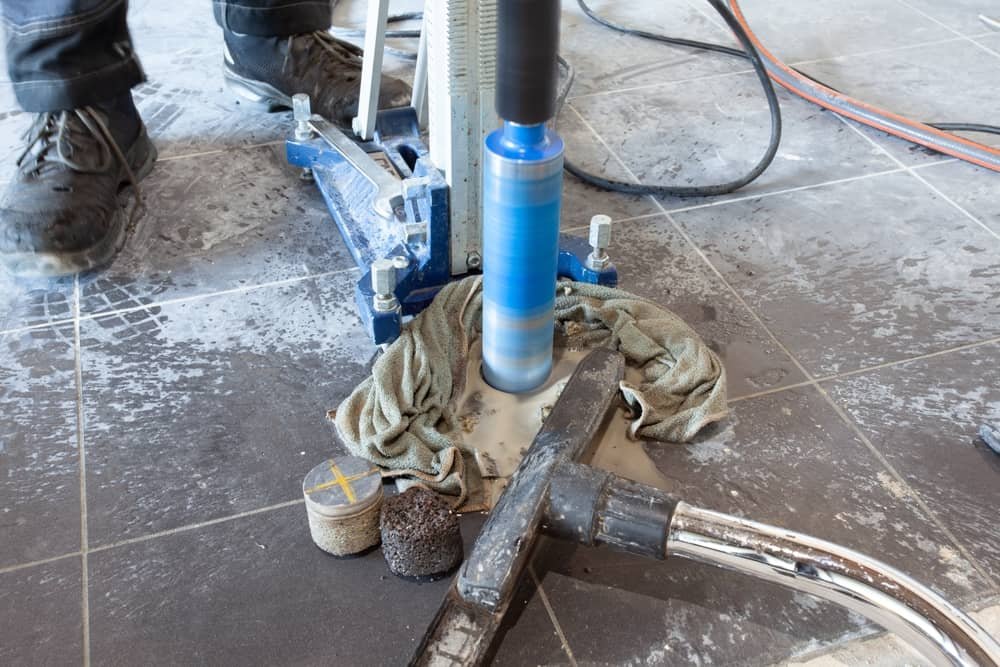
Pricing varies more than people expect. It mostly comes down to a few factors: whether you’re installing a first-time system or replacing an existing one, submersible vs. pedestal, whether a battery backup is added, sump pit size and depth, and how much work the discharge line routing requires. A straightforward replacement is a different job and a different price than a full new install that requires breaking concrete and digging a new pit.
Rather than throw out a number that might not match your situation, we’d rather just look at it. Request a free estimate and we’ll tell you what your specific setup actually needs.
Sump Pump Installation in Traverse City & Northern Michigan
H2O Drainage Systems is locally owned and based in Interlochen. We’ve spent years working on exactly this kind of problem for homeowners across Traverse City and Northern Michigan. We handle sump pump installation, interior and exterior drainage, crawl space drainage, waterproofing, and gutter solutions. We’d rather diagnose the real cause of a water problem than just sell a part that treats the symptom.
When It’s Time to Call Someone
Call a professional if your pump won’t start, runs nonstop, isn’t clearing water, or if water keeps coming back no matter what you try. And honestly, if you’re just not sure where the water’s coming from in the first place, that’s reason enough on its own. Most of the time, the pump is only one piece of a bigger picture.
Have a Water Problem You’d Rather Not Have Again?
Wet basement, damp crawl space, or a drainage issue that keeps coming back. We’ll find the actual source and tell you what it’ll take to fix it for good.
Call 231-392-6350 or request a free estimate today.
Frequently Asked Questions
What does a sump pump do?
It collects water in a pit and pumps it away from your home’s foundation. This keeps groundwater, rain, and drainage water from becoming a problem indoors.
Where is a sump pump usually installed?
In the lowest point of a basement or crawl space, inside a dug basin called a sump pit, where water collects naturally before being pumped out.
How often should I test my sump pump?
Twice a year is a good baseline. Always test it right before heavy rain season or spring snowmelt, when you’ll actually need it to work.
Can a sump pump run without electricity?
Not on its own. Standard units need power. A battery backup or a second pump keeps things running if the electricity goes out.
How do I know if my sump pump is failing?
Unusual noises, constant running, failure to start, water sitting in the pit, or water reappearing in your basement or crawl space are all signs worth checking out.
Can a sump pump prevent every kind of basement flooding?
No. It lowers the risk a lot, but issues like poor drainage, foundation cracks, or water volume beyond what the system was built for may need extra solutions like exterior drainage or waterproofing.