
If your basement has water seeping through the walls, a damp smell that won’t go away, or standing water after every spring thaw, you’re not alone. Northern Michigan homeowners deal with these problems every year, and waiting only makes it worse.
We’re a locally owned company based right here in Northern Michigan. We specialize in interior basement waterproofing designed to stop water intrusion at the source. Our service keeps your home dry through every season, including Michigan’s heavy snowmelts and lake-effect rain events.
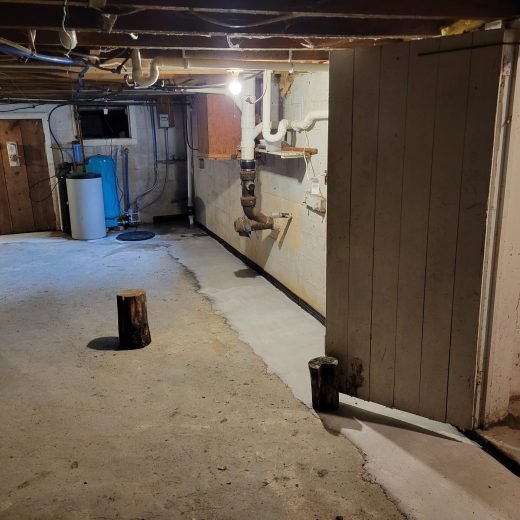
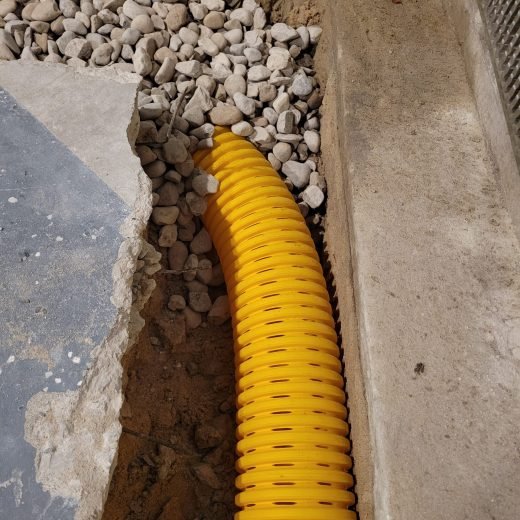
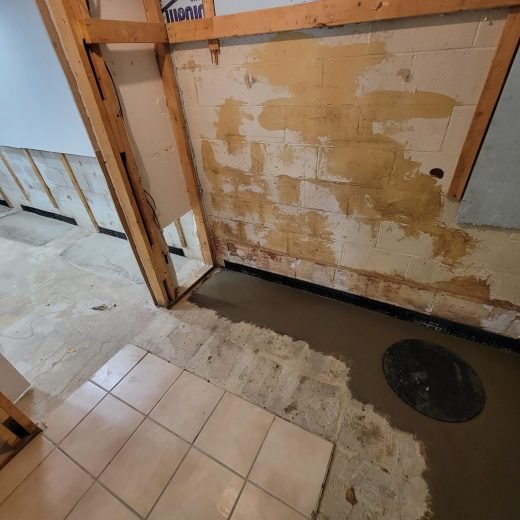

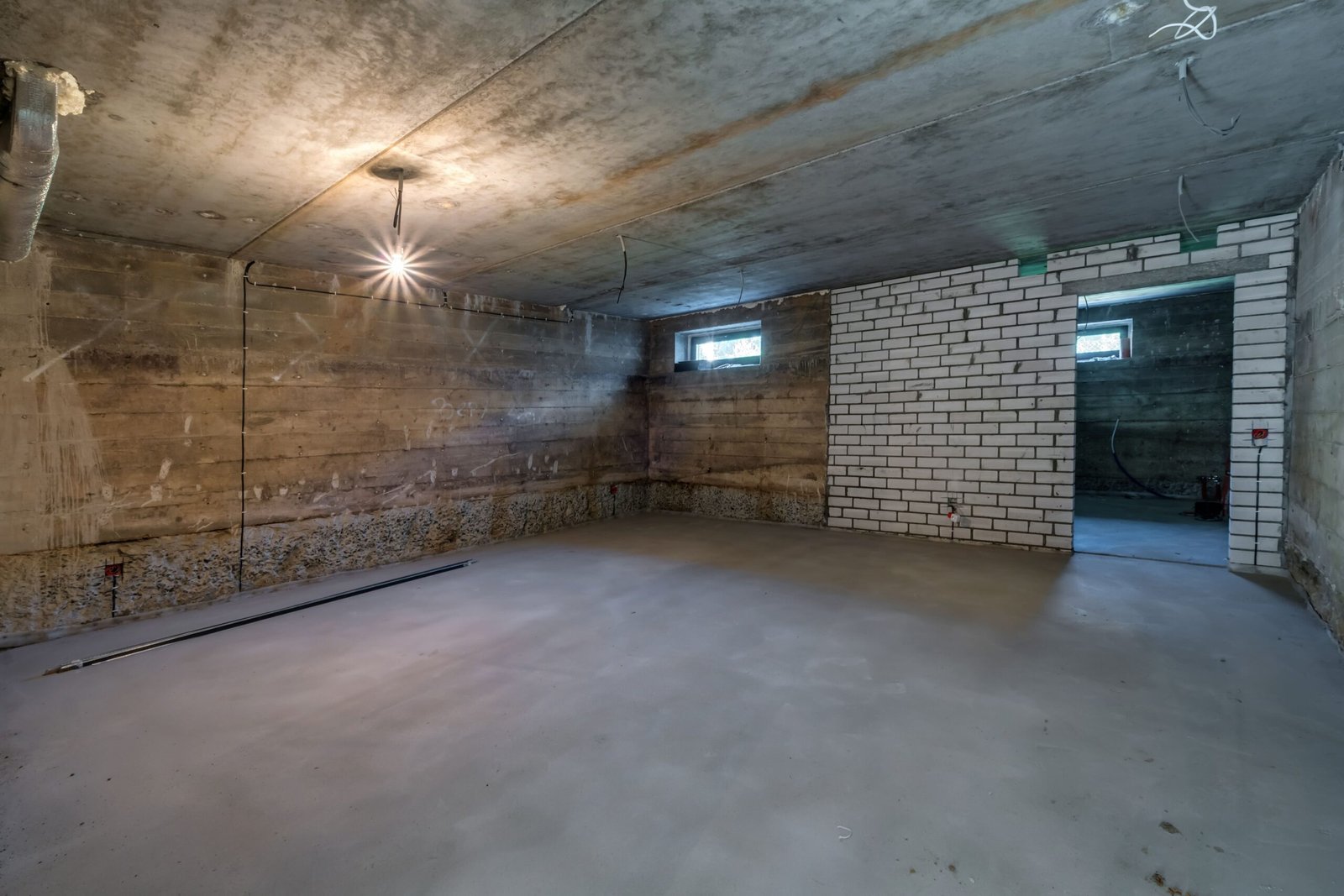
You may need professional waterproofing if you notice:
If any of these occur, it’s time to talk with a waterproofing specialist.
Interior waterproofing is more than just a repair — it’s a long-term investment in your home. When moisture seeps in, it can:
Professional waterproofing tackles these issues, giving you peace of mind and a dry interior space.
For materials resources visit our waterproofing materials page.
Family-Owned & Locally Trusted
Start by completing our short 1-minute
questionnaire below.
We’ll contact you to schedule a free estimate and inspection with one of our specialists.
We’ll examine the problem areas and present customized solutions based on our findings.
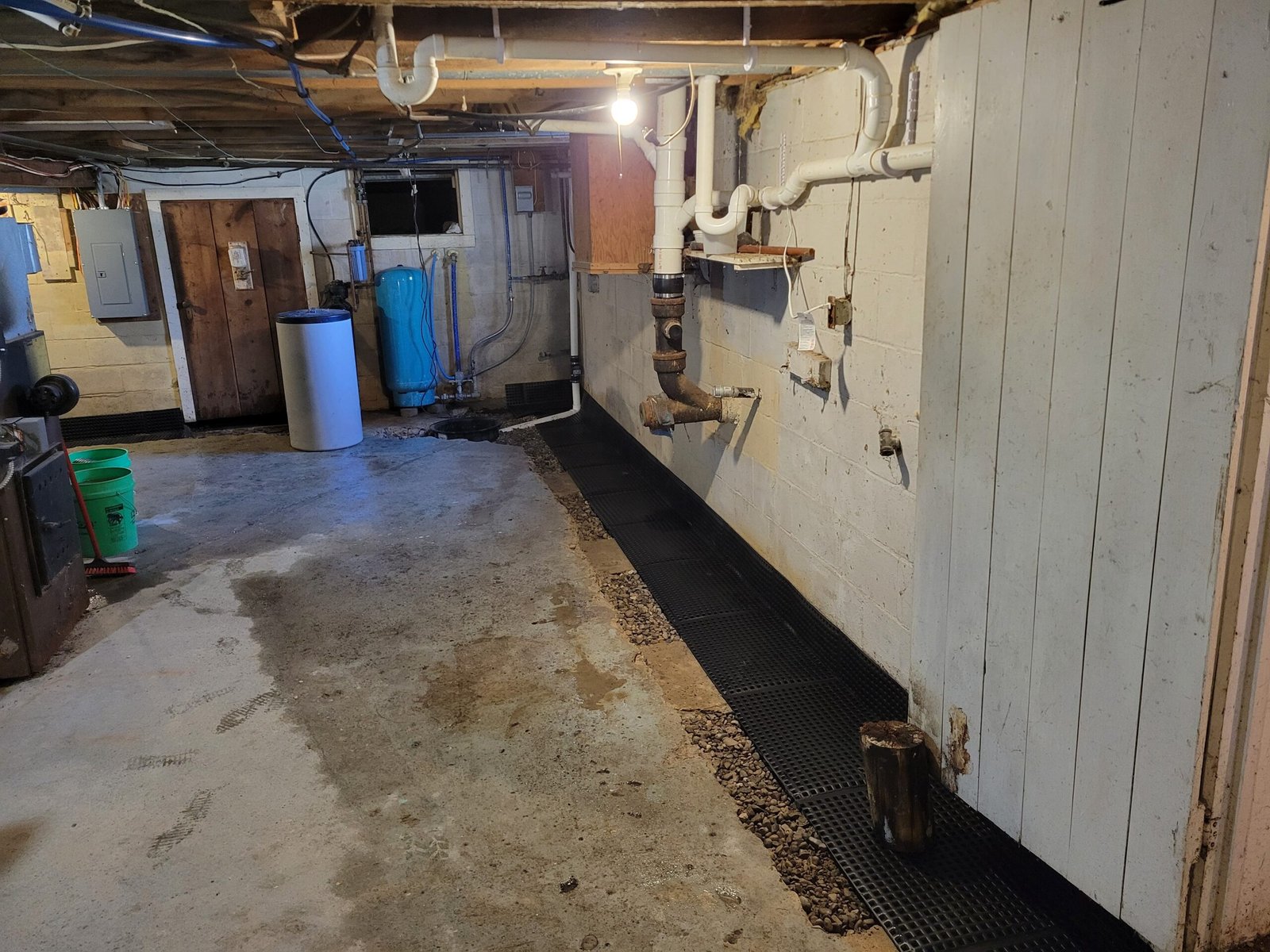
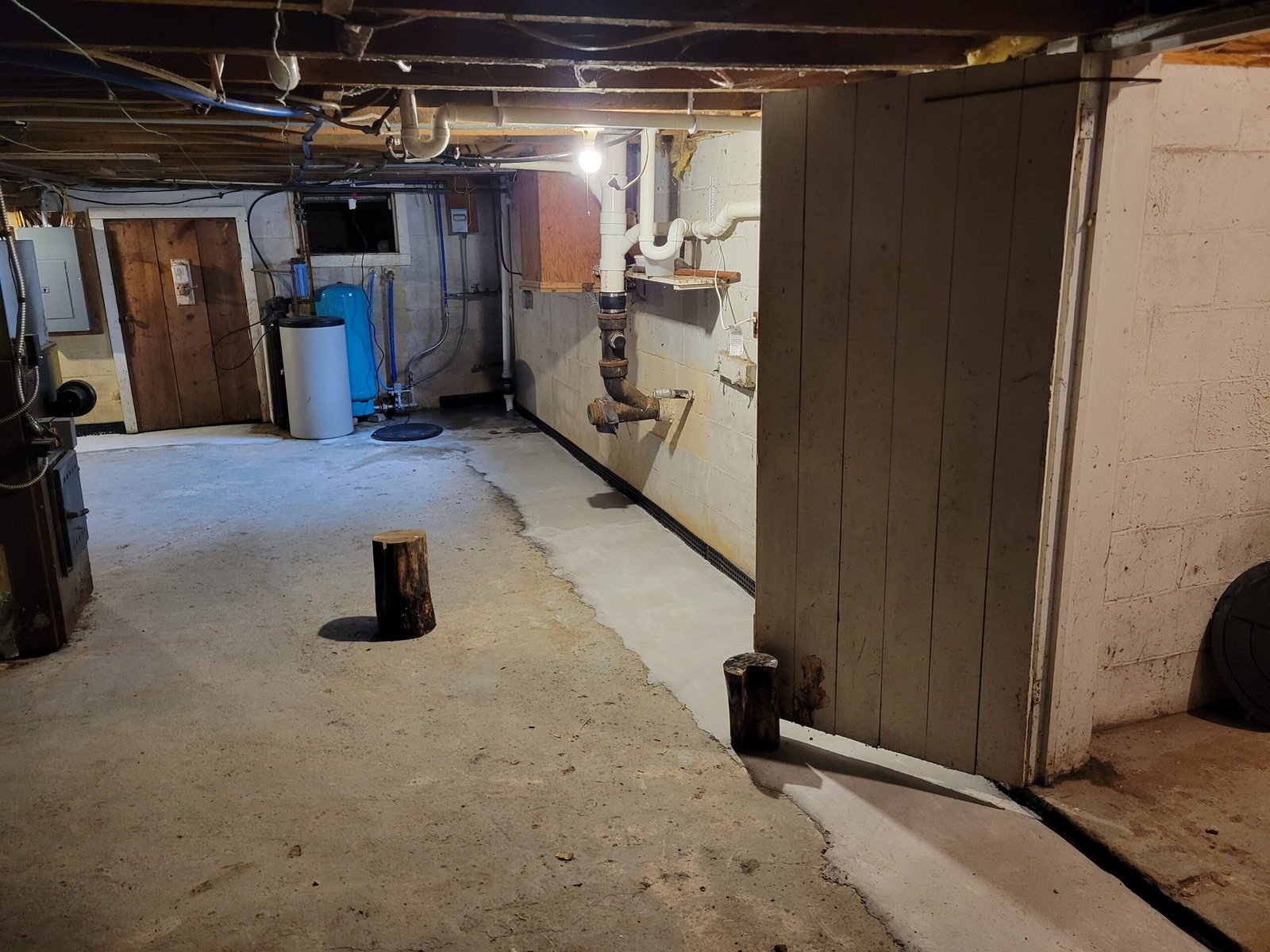
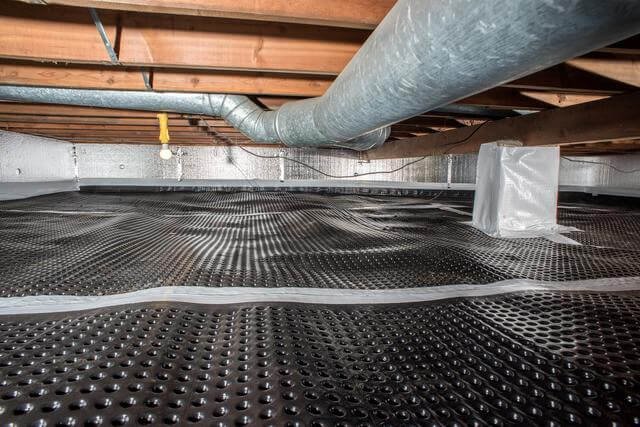
Unlike heavy clay regions, much of Northern Lower Michigan has highly permeable, sandy soil. Water doesn’t sit and slowly build pressure — it moves quickly downward.
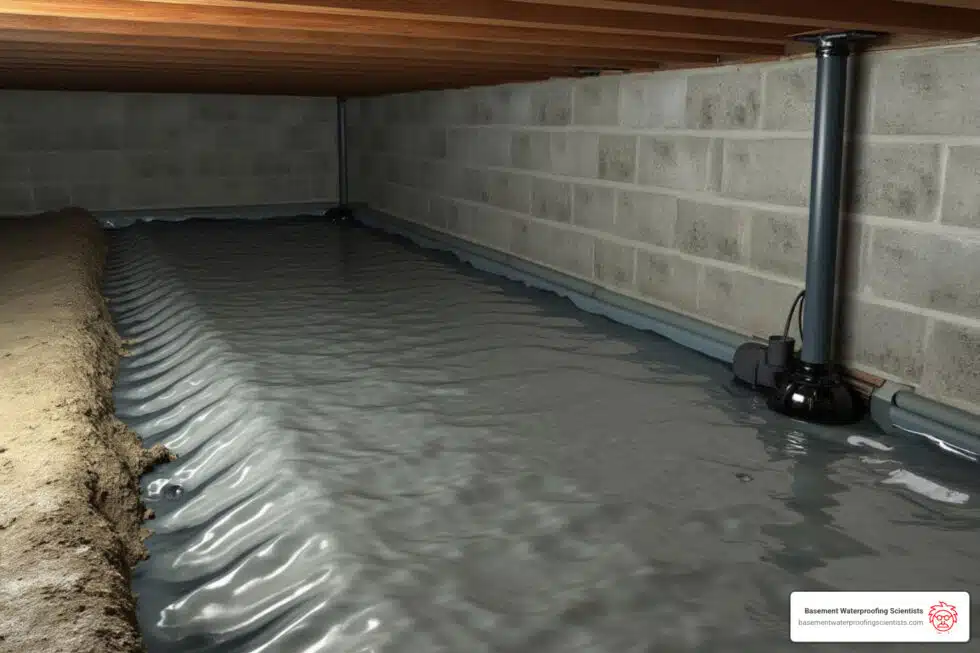
During rapid snowmelt or heavy lake-effect rain, large volumes of water can reach your foundation footing fast. That sudden groundwater movement creates hydrostatic pressure at the base of the foundation, pushing water through cracks, cold joints, or porous concrete.
When frozen ground begins to thaw, melting snow releases significant water in a short period of time. In porous soil, that water travels rapidly toward the lowest point — typically your foundation footing.
Many homeowners first notice water intrusion during early spring because older drain systems cannot keep up with sudden seasonal volume.
In many homes, yes — especially when combined with:
Because sandy soil drains quickly, the key is volume management and controlled discharge. For more FAQ answers view the page!