What causes basement flooding? Why does your basement constantly get wet floors and walls?
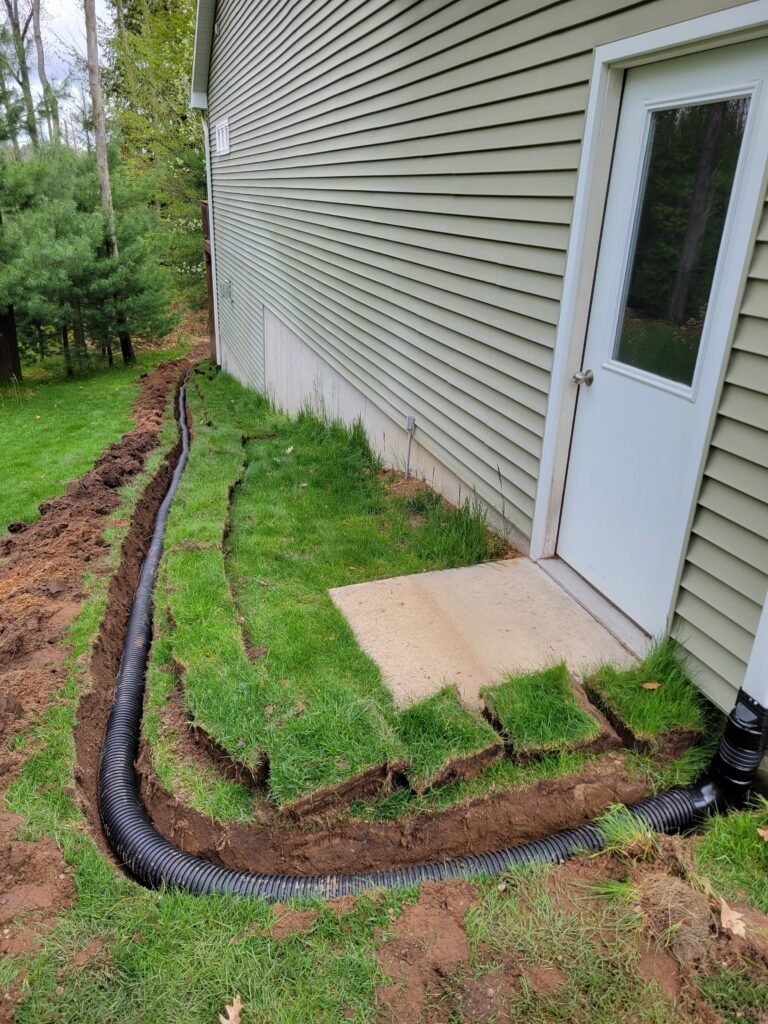
There are only three sources of moisture that can lead to this, and they are liquid water from rain or ground water, interior moisture sources such as humidifiers, unvented clothes dryers, bathrooms and cooking, as well as the moisture in concrete after construction. Exterior humid air that enters the basement and condenses on cooler surfaces. To fix this, we will survey the foundation and basement, and work towards a proper, long-term solution to ensure your basement stays dry for years to come. It could be as simple as a French drain system either inside or outside of the home depending on the source of water. Moving rain and melting snow away from the house is the easiest by extending downspout runoffs, French drain channels, or culverts to move the water to the street or lower section of the backyard far away from the house.
We work hard to accurately diagnose your issues and provide the best, most
informed and targeted basement waterproofing services solution.
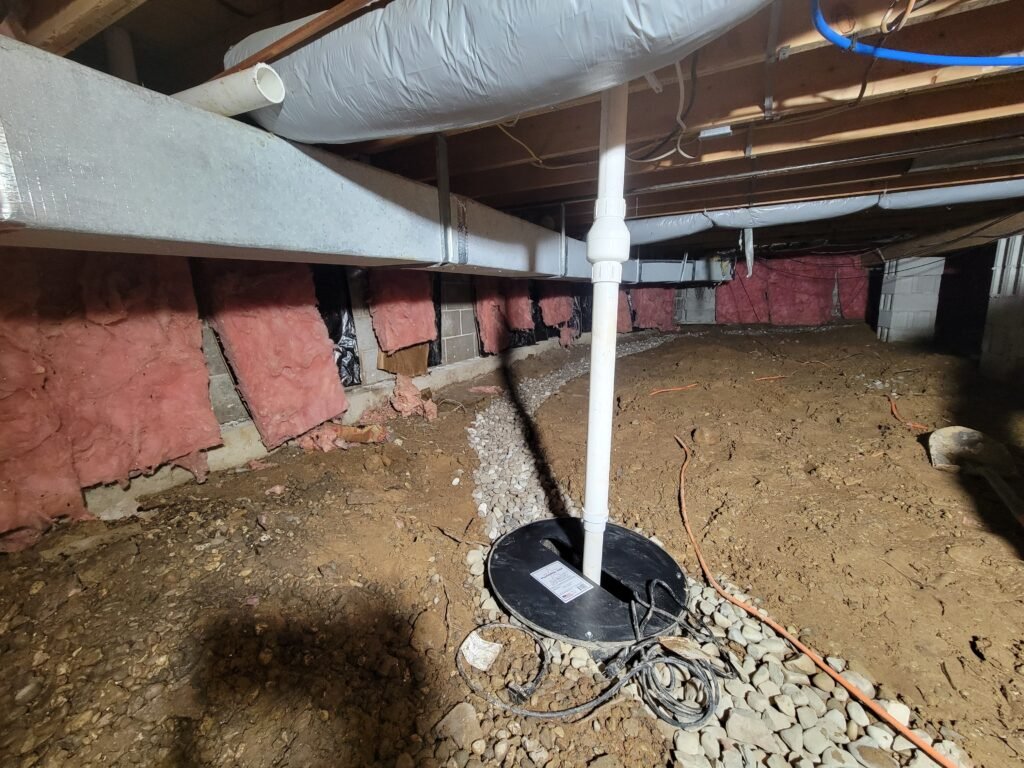
Half of the air you breathe inside your home comes from the crawl space or basement. Your vented dirt crawl space is affecting your health and comfort, and costing you more than you know. The air inside your crawl space is musty and full of mold, mildew, and bacteria in various in forms. The good news is this can be cured with a complete crawl space dehumidification system. We can help you fix this by sealing off the problems that causes moisture. We will completely encapsulate and isolate the crawl space interior from damp exterior conditions.
A basement drainage system is essential for protecting your home from water intrusion, foundation damage, and persistent moisture problems. When groundwater builds up around your foundation, it can seep through cracks, floor joints, or porous concrete, leading to mold growth, structural issues, and poor indoor air quality. A properly designed drainage system collects excess water and safely redirects it away from the home, keeping the basement dry and the foundation protected.
Modern basement drainage solutions typically combine both exterior and interior waterproofing methods to provide complete protection. While exterior systems stop water before it reaches the foundation, interior systems manage any water that enters and move it away quickly and efficiently.
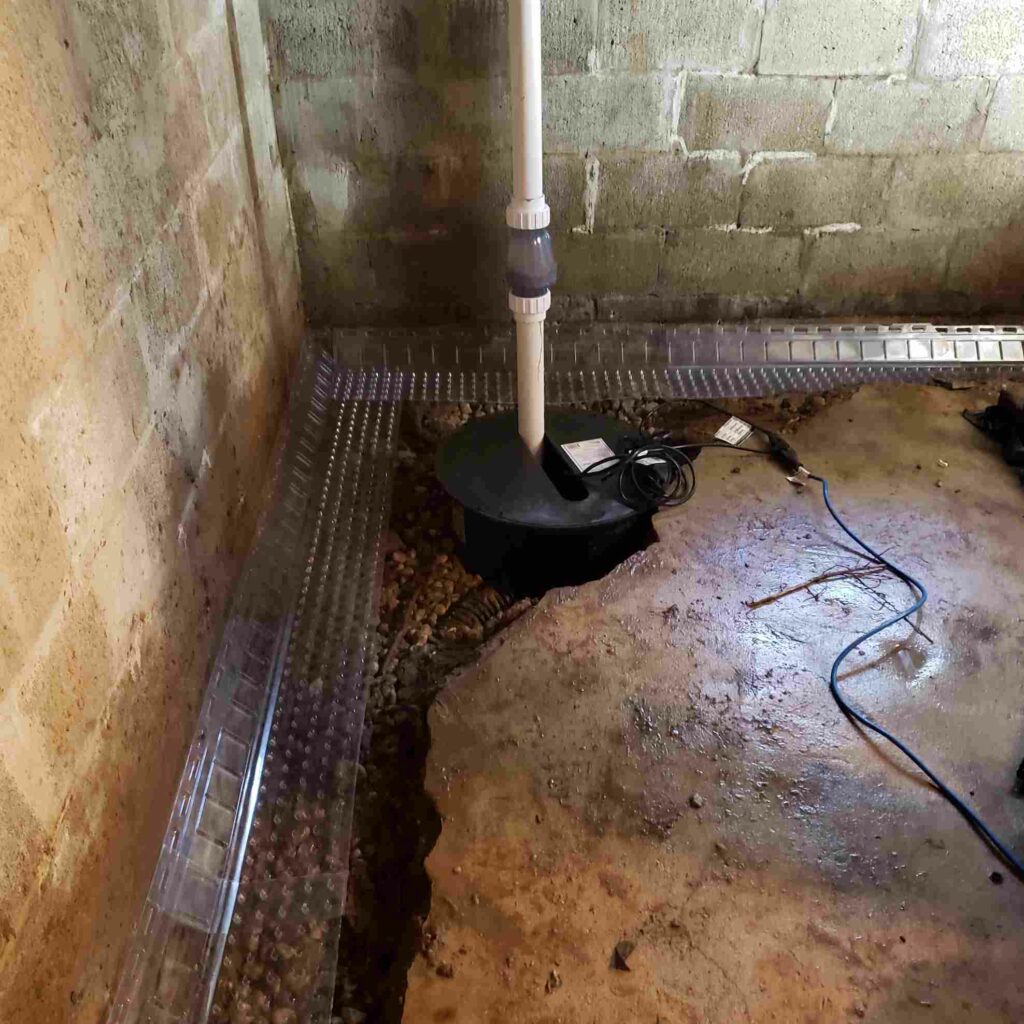
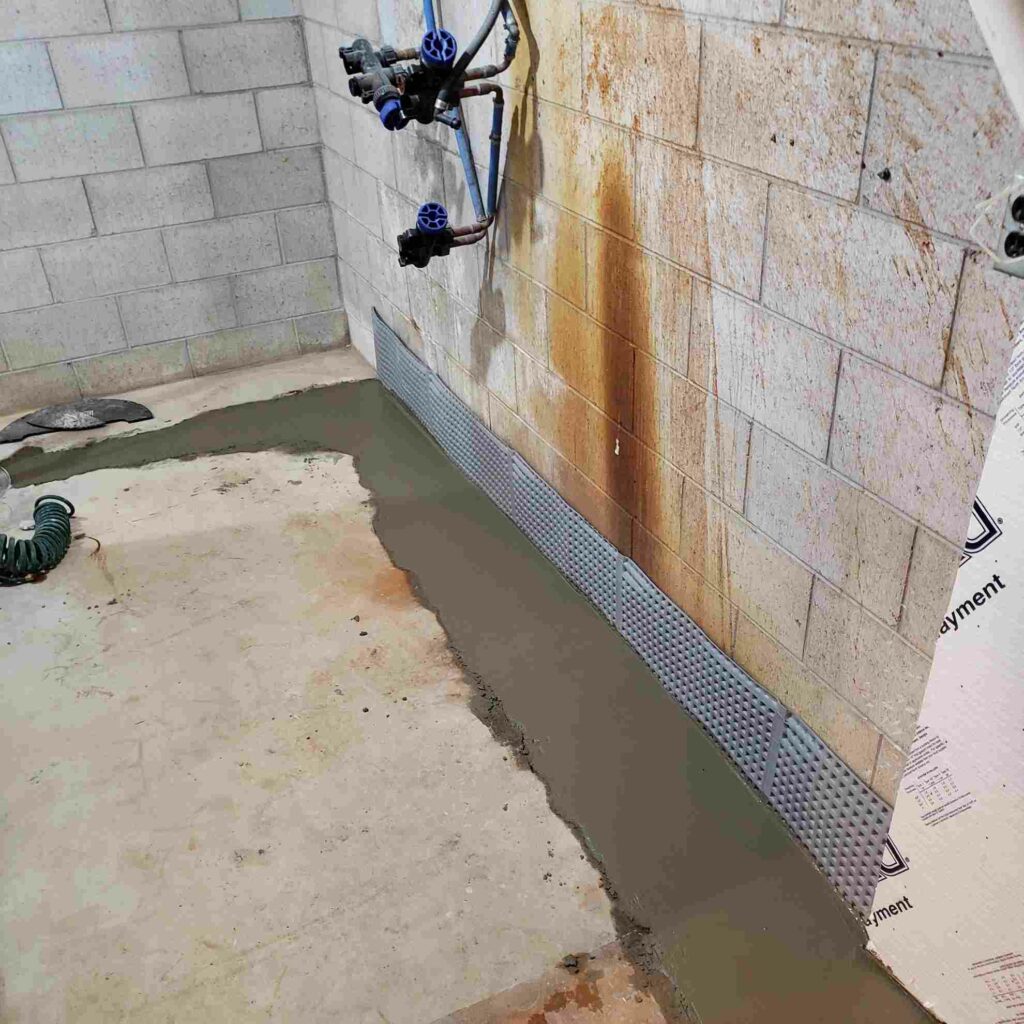
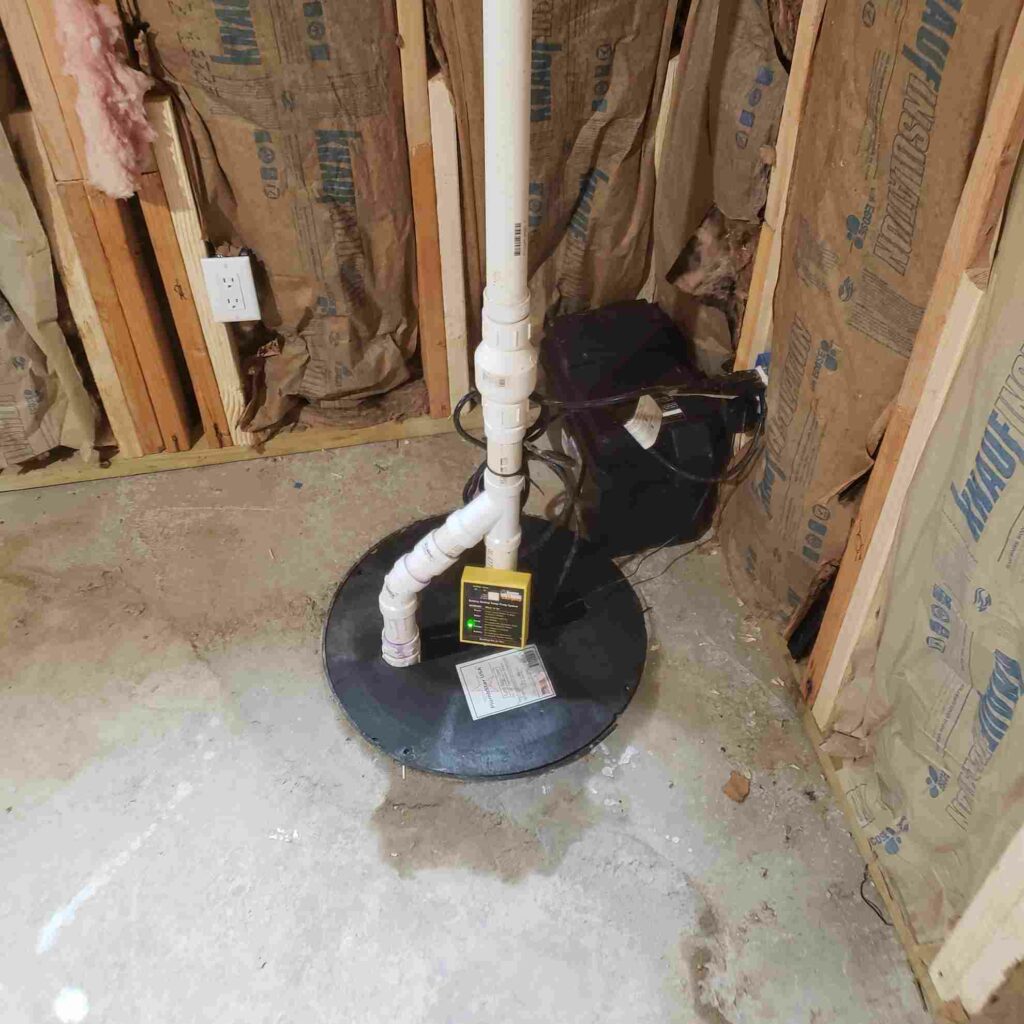
Interior drainage services are designed to manage water that has already entered the basement or crawl space. These systems collect water from beneath the floor or along foundation walls and direct it to a sump pump or drainage outlet where it can be safely removed from the home.
Typical interior drainage solutions include perimeter drainage channels, sub-floor drainage pipes, sump pump installation, and moisture control systems. These components work together to capture water quickly and prevent it from spreading across the basement floor.
Interior drainage systems are often less disruptive to install than exterior solutions and provide reliable protection against groundwater pressure, helping keep basements dry, clean, and usable throughout the year.
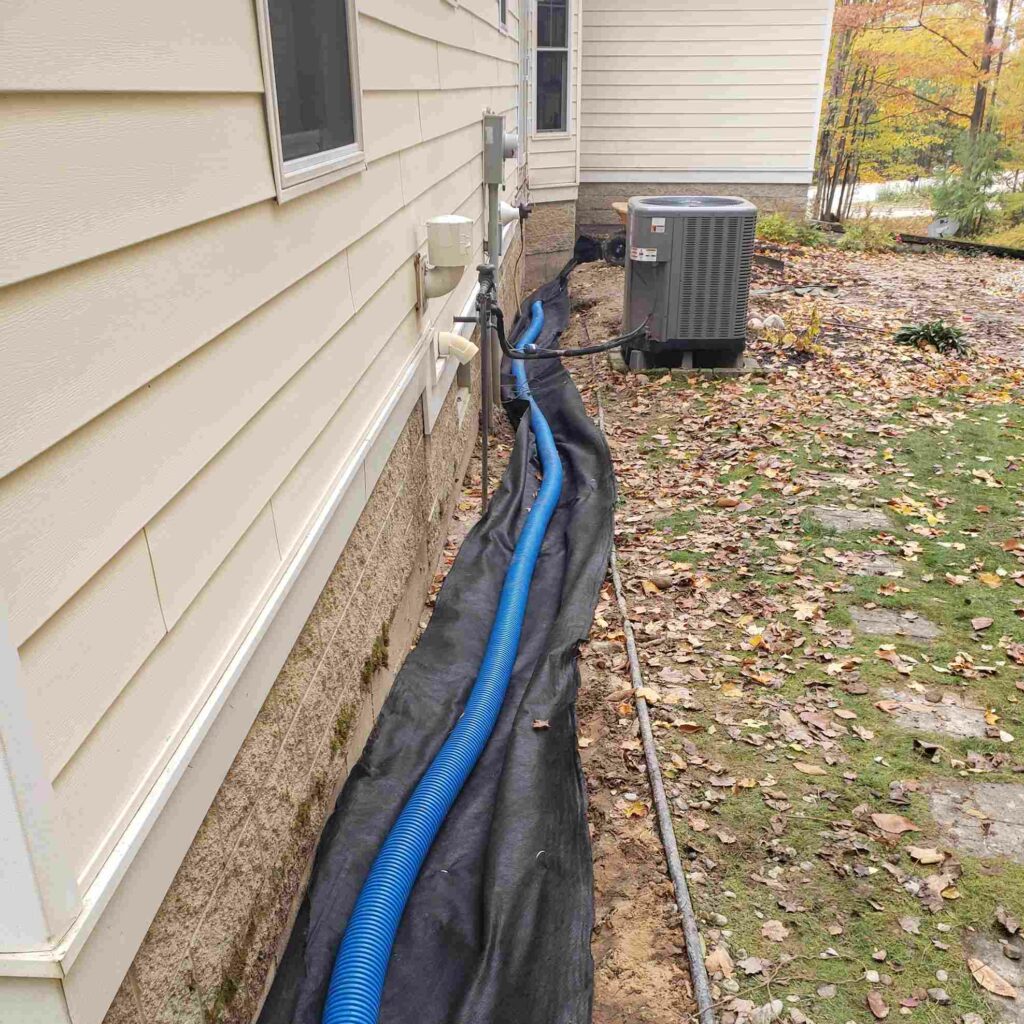
Exterior drainage services focus on preventing water from reaching the basement walls and foundation in the first place. This approach involves managing groundwater and surface runoff around the exterior of the home to reduce hydrostatic pressure against foundation walls.
Common exterior drainage solutions include installing foundation drains, improving yard grading, adding French drains, and applying waterproof coatings or membranes to the outside of foundation walls. These systems work together to direct water away from the home, preventing it from pooling around the foundation and seeping into the basement.
Exterior drainage is especially effective for homes experiencing heavy rainfall, poor soil drainage, or persistent water accumulation around the foundation.